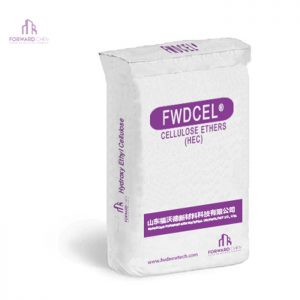
CAS 9004-62-0
Hydroxyethyl Cellulose (HEC) is a cornerstone ingredient in the formulation of modern cosmetics and detergents. As a non‑ionic, water‑soluble cellulose ether, it is prized for its unparalleled ability to thicken, stabilise, and enhance the performance of a wide array of consumer products — from shampoos to liquid laundry detergents.
The Science Behind the Performance
HEC is produced by reacting alkali‑treated natural cellulose with ethylene oxide, introducing hydroxyethyl groups that render the polymer highly water‑soluble and compatible with a broad range of formulation ingredients. Its functionality in cosmetics and detergents hinges on a few key physicochemical properties:
- Thickening & rheology control: Efficiently increases solution viscosity, giving products a luxurious texture and optimal flow. HEC solutions typically exhibit pseudoplastic (shear‑thinning) behaviour – thick at rest but readily flow when squeezed or rubbed.
- Stabilisation & suspension: Prevents separation of oil‑water emulsions and suspends insoluble particles (pigments, abrasives, actives). Ensures product uniformity and longer shelf life.
- Film‑forming & moisture retention: Forms a uniform film on skin or hair that acts as a protective barrier, locks in moisture, and improves adherence of active ingredients. Its water‑binding capacity also contributes to moisturisation.
- Exceptional compatibility: The non‑ionic nature makes it compatible with anionic, non‑ionic, and amphoteric surfactants, as well as other ingredients. It maintains stability across a broad pH range (2–12) and tolerates high electrolyte concentrations.
Key Applications in Cosmetics & Personal Care
The versatility of HEC makes it a go‑to ingredient across numerous personal care categories. The table below summarises its primary functions:
| Application | Primary Function(s) |
|---|---|
| Shampoos & Conditioners | Thickening, foam stabilisation, enhancing smoothness, luxurious feel. |
| Body Washes & Liquid Soaps | Viscosity building, stabilising the product, improving skin feel by preventing deposition of insoluble substances. |
| Lotions & Creams | Stabilising emulsions, improving spreadability and absorption, contributing to moisturising properties. |
| Toothpaste | Thickener and binder to ensure a consistent, smooth paste. |
| Hair Styling Products | Film‑former and adhesive to provide hold and enhance durability. |
| Color Cosmetics (foundations, mascaras) | Improving texture, stability, and uniform application. |
Role in Detergents & Cleaning Products
In the detergent industry, HEC is a high‑performance additive that addresses several critical formulation challenges. Its ability to control rheology and stabilise complex mixtures is key to the performance of modern cleaning products.
- Liquid laundry detergents: Acts as a stabiliser, suspending enzymes, fragrances, and other actives to ensure uniform distribution and prevent separation over time. Improves cleaning efficiency.
- Dishwashing liquids: Controls viscosity for the desired “feel” and helps stabilise foam, contributing to better grease removal.
- Multi‑purpose & hard surface cleaners: Improves adhesion, allowing the solution to cling to surfaces (glass, tiles) for longer contact time; suspends abrasive particles in scouring cleansers.
- Anti‑redeposition agent: Prevents dirt that has been removed from fabric from settling back during the wash cycle, resulting in whiter and brighter clothes.
Selecting the Right Grade
The performance of HEC in a specific application depends heavily on molecular weight and viscosity. A wide range of grades are available to suit different needs. Lower viscosity grades (e.g., HEC 300H) are ideal for thin, pourable products, while ultra‑high viscosity grades (e.g., HEC 100000H and above) are used in gels requiring a thick, stable structure.
A summary of typical grades and their viscosity ranges is detailed in the table below, based on specifications from a leading manufacturer:
| Product Code | Viscosity (mPas, Brookfield, 1% solution) | Typical Application Clues |
|---|---|---|
| HEC 300B / HEC 300H | Low viscosity | High‑flow liquids, sprays |
| HEC 6000B / HEC 6000H | Medium viscosity | Shampoos, body washes, lotions |
| HEC 30000B / HEC 30000H | High viscosity | Creams, gels, opaque formulations |
| HEC 100000B / HEC 100000H | Ultra‑high viscosity | Gels, specialised thick systems |
* For detergent formulations, specialised grades optimised for high‑salt, high‑surfactant and alkaline conditions are often available.
Application Snapshot: Cosmetics & Detergents
ToothpasteThickening, binding
Liquid soaps & bubble bathStabilising, thickening
Hand creams & lotionsThickening, stabilising
Liquid detergentsStabilising enzymes/fragrances, suspension
Hard surface cleanersThickening, adhesion enhancement
Conclusion
Hydroxyethyl Cellulose (HEC) is an indispensable ingredient for formulators in the cosmetics and detergent industries. Its ability to effectively thicken, stabilise, and enhance product aesthetics, combined with excellent compatibility and safety profile, makes it a reliable and versatile choice for creating high‑quality consumer goods. By leveraging the variety of grades available, formulators can precisely tailor viscosity and stability to meet specific consumer and performance demands.
📦 Packaging: Three‑layer paper bag with inner polyethylene bag, net weight 25 kg per bag.
🏷️ Storage: Keep in cool, dry warehouse, away from moisture, sun, fire, and rain.