
Abstract
#rdp chemical suppliers #gypsum retarder chemical #rdp powder uses
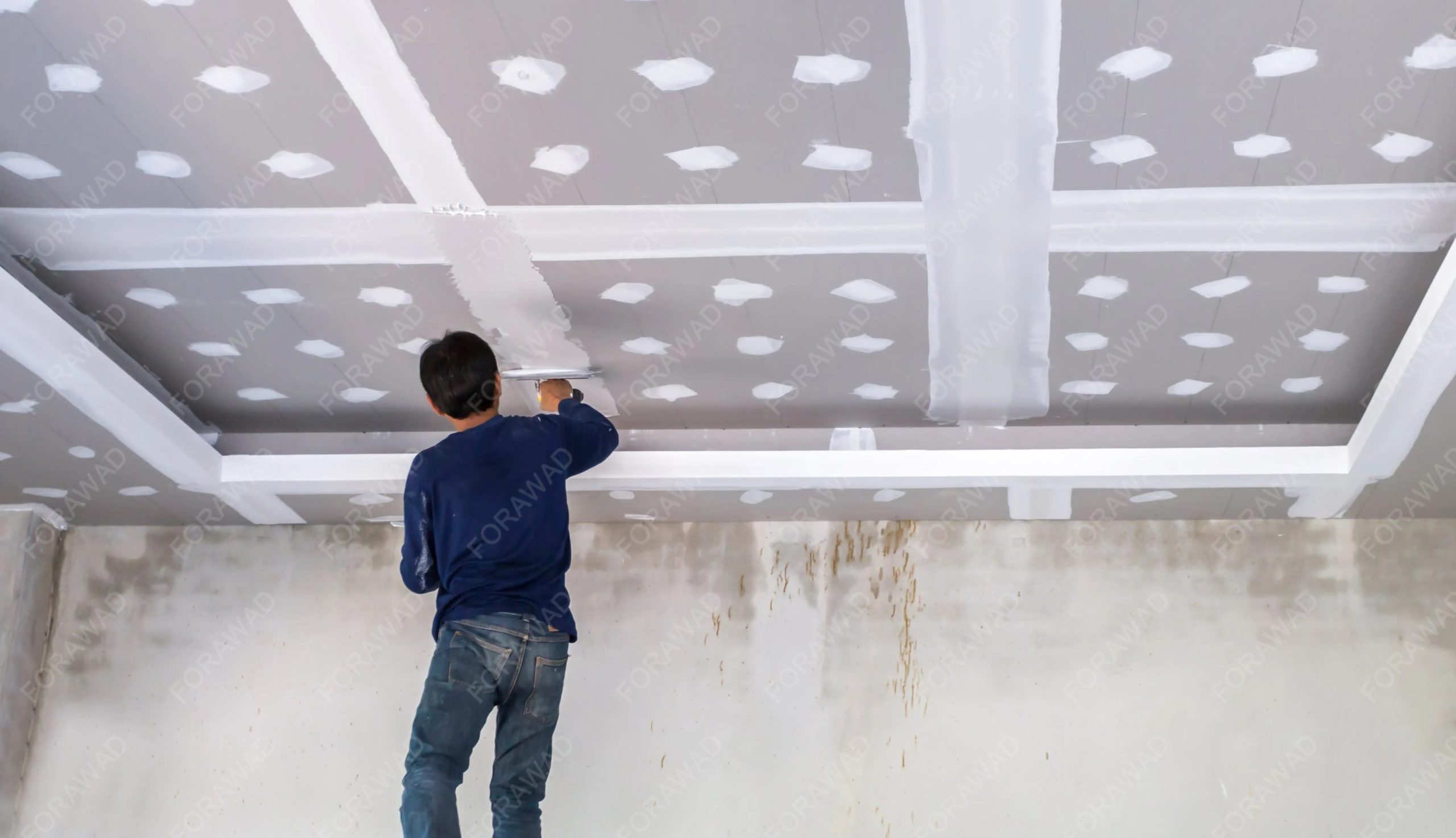 Gypsum, an ancient and eco-friendly building material, is widely used due to its advantages such as rapid setting, fire resistance, and humidity regulation. However, its inherent brittleness and poor water resistance have limited its further development. The emergence of Redispersible Polymer Powder (RDP) as a key polymer modifier has successfully compensated for the shortcomings of gypsum, ushering gypsum-based materials into a new era of high performance and composite systems.
- Gypsum: Advantages and Challenges of an Ancient Material
Gypsum (primary component Calcium Sulfate Dihydrate, CaSO₄·2H₂O) is an abundant, recyclable green building material. Gypsum-based products offer these prominent advantages:
Moisture Buffering: Regulates indoor air humidity, creating a comfortable environment.
Fire Safety: Gypsum products release water of crystallization when exposed to fire, forming a steam barrier, offering excellent fire performance.
Construction Efficiency: Fast setting and hardening, easy to mold into complex shapes.
Environmental & Healthy: Non-toxic, harmless, and low in production energy consumption.
However, the "Achilles' Heel" of gypsum materials is equally evident:
High Brittleness, Poor Toughness: Low flexural strength, prone to cracking under stress.
Poor Water Resistance: Strength decreases significantly upon water contact, low softening coefficient, limiting its application in humid environments.
Insufficient Cohesion: Bond strength to certain substrates may be inadequate.
These drawbacks pose challenges for pure gypsum products in many modern construction applications.
- RDP Powder: The "Performance Enhancer" for Gypsum
Redispersible Polymer Powder (RDP) is a free-flowing white powder produced by spray-drying polymer emulsions. Upon contact with water, it redisperses into a stable emulsion, with properties nearly identical to the original emulsion.
The mechanism of RDP in gypsum-based materials can be described as "adding the finishing touch":
Film-Forming and Bridging Action (Key Mechanism):
During mixing and hardening of the gypsum slurry, the redispersed polymer particles distribute uniformly among the gypsum crystals.
As water evaporates and gypsum hydration proceeds, these polymer particles gradually coalesce and fuse, forming a continuous, flexible polymer film within the pores and crystal structure of the gypsum.
This polymer film acts like "tiny bridges," tightly binding the rigid gypsum crystals together, forming an interpenetrating network composite structure of organic and inorganic phases.
Resulting Performance Enhancements:
Significantly Enhanced Toughness: The flexibility of the polymer film effectively transfers and disperses stress, greatly increasing flexural strength and impact resistance, reducing cracking risk.
Improved Bond Strength: The polymer film exhibits excellent adhesion to various substrates (e.g., concrete, wood), significantly enhancing the "adhesive power" of gypsum materials.
Enhanced Water Resistance: The polymer film fills some capillary pores and creates a hydrophobic barrier, impeding water penetration, thus improving the softening coefficient and water resistance.
Increased Cohesion and Density: Optimizes particle size distribution in the slurry, reduces bleeding and segregation, resulting in a denser hardened structure.
Improved Workability: Often provides water retention and thickening effects, extends open time, and makes application smoother.
III. Core Applications of Gypsum-RDP Composite Systems
The combination of gypsum and RDP has led to a series of high-performance gypsum-based dry-mix mortar products.
Gypsum-Based Putty (Interior/Exterior Wall):
The most extensive application area for RDP. Adding RDP improves the flexibility of the putty layer, reducing hollowing and cracking, ensures strong bonding to the substrate, and improves sandability.
Bonding Gypsum (Gypsum-Based Adhesives):
Used for adhering gypsum blocks, plasterboards, etc. High RDP content provides very high bond strength, ensuring installation stability and safety.
Gypsum-Based Grouts & Joint Fillers:
Used for filling joints between plasterboards and patching holes in walls. Requires non-shrinkage, high strength, and crack resistance – properties achieved perfectly with the addition of RDP.
Gypsum Based Self-Leveling :
Used for floor leveling. In this system, RDP not only provides necessary flexibility to prevent floor cracking but also improves leveling and reduces shrinkage.
Integrated Insulation and Decoration Systems:
In gypsum-based thermal insulation mortars, RDP is a key adhesive component, ensuring strong bonding between the mortar and insulation boards (e.g., EPS), and providing sufficient flexibility and impact resistance to the mortar layer.
- Selection and Formulation: The Art of Synergy
In the gypsum-RDP composite system, it's not just a simple mix, but a precise science:
Selection of RDP Type:
Vinyl Acetate Ethylene Copolymer (VAE): Most commonly used, offers excellent overall performance in gypsum-based systems and good cost-effectiveness.
Acrylics: Offer better water and alkali resistance, suitable for higher performance requirements.
Styrene-Acrylics: Lower cost, but potentially inferior weather resistance; selection depends on the specific application.
Synergistic Additives:
An efficient gypsum dry-mix mortar formulation is a "system engineering" project. Besides RDP, it typically requires combination with other additives like Cellulose Ethers (water retention, thickening), Superplasticizers (set control, strength enhancement), and Water Repellents (further improving water resistance) to achieve optimal performance and application results.
- Future Outlook
With the growing demand for green, energy-efficient, and high-performance materials in the construction industry, the prospects for gypsum-RDP composite systems are broad:
Greening and Functionalization: Development of lower VOC, bio-based RDP products, complementing the environmental attributes of gypsum.
High Performance: Development of specialized composite systems with ultra-high toughness, early strength, and improved printability for new processes like prefabricated construction and 3D printing.
Smart Systems: Exploration of gypsum-RDP composite materials with smart response functions like self-healing and temperature/humidity regulation.
Conclusion
The introduction of RDP powder has fundamentally altered the performance boundaries of gypsum materials. Through the ingenious mechanism of polymer film formation, it combines the rigid skeleton of gypsum with the flexible network of polymers, creating a new "combining rigidity with flexibility" composite material. This not only overcomes the inherent weaknesses of gypsum but also significantly expands its application fields, revitalizing this ancient building material for modern construction and making it a cornerstone in promoting building energy efficiency and green development. The combination of gypsum and RDP is a paradigm of perfect synergy between inorganic and organic materials in materials science.Welcome to consult. For more information, please visit www.fwdnewtech.com or send an email to: info@fwdnewtech.com to contact us.