
Hydroxypropyl Methylcellulose (HPMC) is an indispensable key additive in modern tile adhesives. It acts like a "magician," significantly enhancing the construction performance and final bonding quality of tile adhesives through properties such as water retention, thickening, and extending open time. The following is a comprehensive overview of the mechanism of action, formulation applications, and latest research on HPMC in tile adhesives.
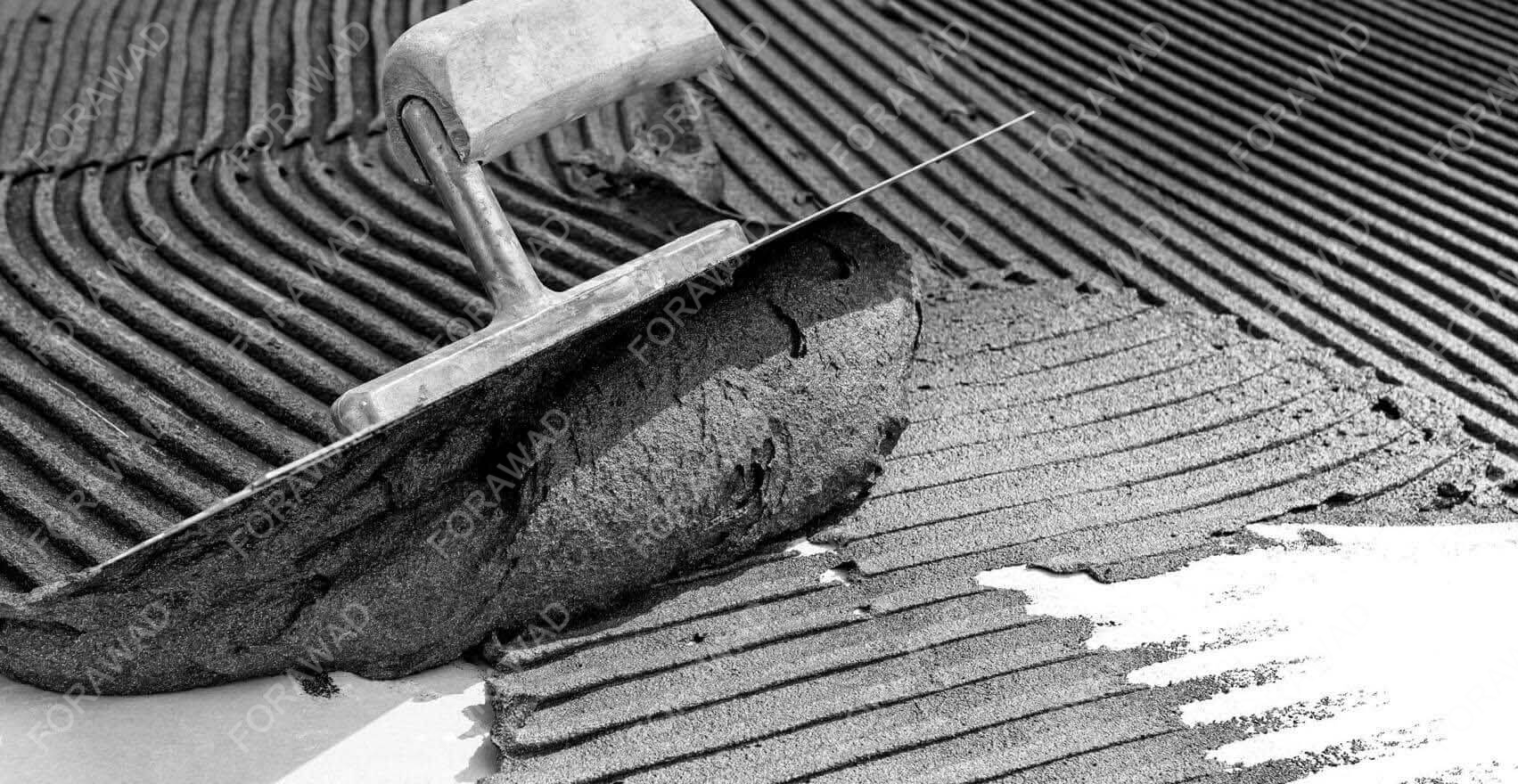
- Core Functions of HPMC in Tile Adhesives
As a modified polymer derived from natural plant fibers, HPMC primarily optimizes the performance of tile adhesives through the following physical actions, without participating in the chemical reaction of the cement.
Excellent Water Retention: It forms a thin film on the surface of cement particles, locking in moisture and preventing the substrate from absorbing water too quickly. This ensures that the cement has sufficient water for the hydration reaction, preventing the mortar from cracking, hollowing, or dusting due to rapid drying, while also enhancing the strength after hardening.
Thickening and Sag Resistance: As a thickener, it significantly increases the viscosity of the mortar.
It gives the mortar better plasticity and thixotropy during application, making it easier to work with. More importantly, it prevents freshly applied tiles from slipping or sliding on vertical walls due to gravity. For example, HPMC MP 100EA.
Extended Open Time: It delays the skinning and drying speed of the mortar surface. This provides construction workers with a longer operation and adjustment time, allowing them to position the tiles perfectly before the adhesive sets.
Enhanced Flexibility and Adhesion: Its high molecular weight and flexible nature impart a certain elasticity and plasticity to the mortar. Simultaneously, the adhesive film it forms enhances the adhesion between the adhesive and the substrate or the back of the tile.
It effectively reduces the risk of cracking caused by shrinkage or temperature changes during the mortar's drying process, ensuring long-term stability and durability of the installation.
- Cutting-Edge Research and Performance Optimization of HPMC
Impact of Surface Modification on Performance: Research indicates that HPMC can be categorized into surface-modified and non-surface-modified types. These two types have different effects on the tensile adhesion strength of tile adhesives under various curing conditions (e.g., standard conditions, after heat treatment). This means that selecting the appropriate type of HPMC based on specific requirements is crucial.
Addressing the Challenge of High-Temperature Aging: Tile adhesives can undergo performance changes over long-term use due to heat. A 2023 study pointed out that while cement content is the primary factor affecting bond strength, the content of HPMC in formulations with high cement dosage plays a positive role in improving the tensile bond strength of the mortar after heat storage.
III. How to Choose the Right HPMC
Selecting the appropriate HPMC requires consideration of the specific application scenario. Suppliers typically provide detailed technical parameters for reference:
Viscosity: The viscosity range of HPMC used in tile adhesives is broad, typically between 50,000 and 200,000 mPa.s. For instance, HPMC MP60M to HPMC MP200M. Generally, higher viscosity provides better sag resistance.
Modification Type: As research suggests, whether the product is surface-modified or not directly affects the final performance. Some suppliers offer "highly modified products," claiming they deliver better water retention, slip resistance, and longer open time.
Fineness and Purity: It is usually required that the fineness passes through an 80-mesh or 100-mesh sieve to ensure uniform dispersion in dry-mix mortars.
- Future Development Trends
Looking ahead, the application of HPMC in the construction field is evolving towards more environmentally friendly and efficient directions:
Bio-based HPMC: Research and development of HPMC extracted from renewable resources to reduce the carbon footprint.
Integration with New Technologies: For example, its use as a viscosity modifier in 3D printing concrete, and its role in low-carbon cement to help optimize the water demand and performance of mineral admixtures (like fly ash, slag). This reduces the amount of cement clinker needed while ensuring workability, contributing to sustainable construction.
Summary
In summary, HPMC comprehensively enhances the workability, bond strength, and durability of tile adhesives through its core functions of water retention, thickening, and extending open time. Selecting the appropriate type and dosage of HPMC, combined with a reasonable ratio of aggregates and polymers, is key to formulating high-quality tile adhesives. Future technological innovations will enable HPMC to play an even more significant role in green, high-performance building materials.
If you would like to delve deeper into a specific aspect, such as the differences in workability feel with various HPMC viscosities, or cost optimization for specific formulations, we can provide you with a more detailed analysis.